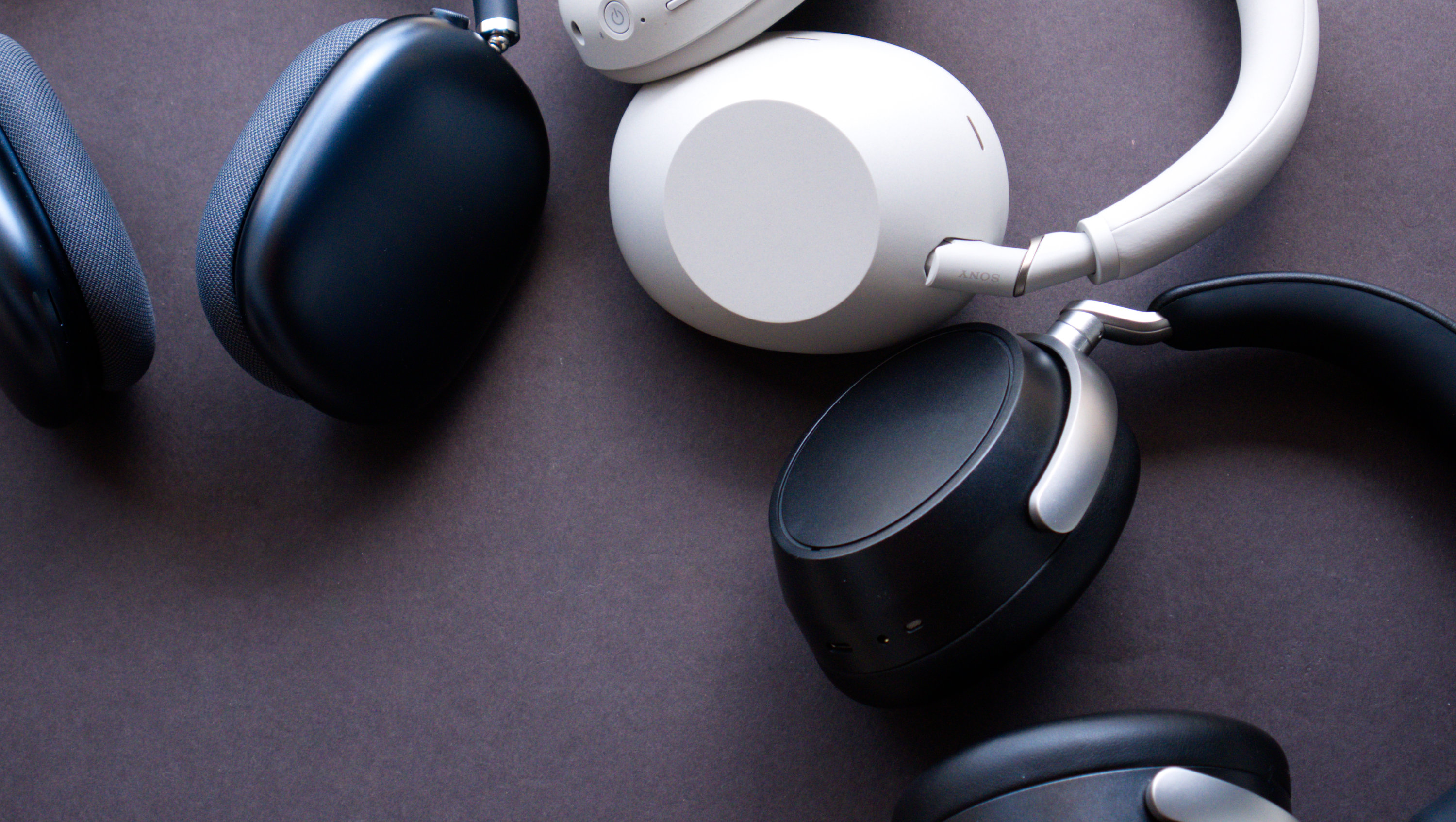
If you're in the market for a new pair of high-end wireless headphones, you're probably considering the Apple AirPods Max 2, Sennheiser HDB 630, or Sony WH-1000XM6. These three models are among the most popular and highly-rated options available, but which one is right for you? In this article, we'll break down the key features and specs of each model to help you make an informed decision.
Some of the key features and specs of these headphones include: * Apple AirPods Max 2: Active Noise Cancellation, Spatial Audio, and up to 20 hours of battery life * Sennheiser HDB 630: Advanced NoiseGuard technology, comfortable design, and up to 30 hours of battery life * Sony WH-1000XM6: Industry-leading noise cancellation, quick attention mode, and up to 30 hours of battery life
When it comes to pros and cons, each model has its strengths and weaknesses. The AirPods Max 2 offer seamless integration with Apple devices, but may not be the best choice for Android users. The Sennheiser HDB 630 offers excellent sound quality, but may not have the same level of noise cancellation as the other two models. The Sony WH-1000XM6 has industry-leading noise cancellation, but may be more expensive than the other two options.
In terms of price and availability, the Apple AirPods Max 2 are available for purchase on the Apple website and other online retailers, such as Check on Amazon. The Sennheiser HDB 630 and Sony WH-1000XM6 are also available on online retailers, including Check on Amazon and Check on Amazon.
Ultimately, the choice between these three models will depend on your specific needs and preferences. If you're an Apple user looking for a seamless listening experience, the AirPods Max 2 may be the best choice. If you're an audiophile looking for excellent sound quality, the Sennheiser HDB 630 may be the way to go. And if you're looking for industry-leading noise cancellation, the Sony WH-1000XM6 is definitely worth considering. We recommend checking out each model's specs and features to determine which one is the best fit for you.